
Skip to content
CisternCoatings

Applications

Where polyurea liners earn their keep.

Cisterns are where it starts, but the same spray system rehabs almost any structure that stores or moves water. Here is what each one involves.

In detail

What each application involves.

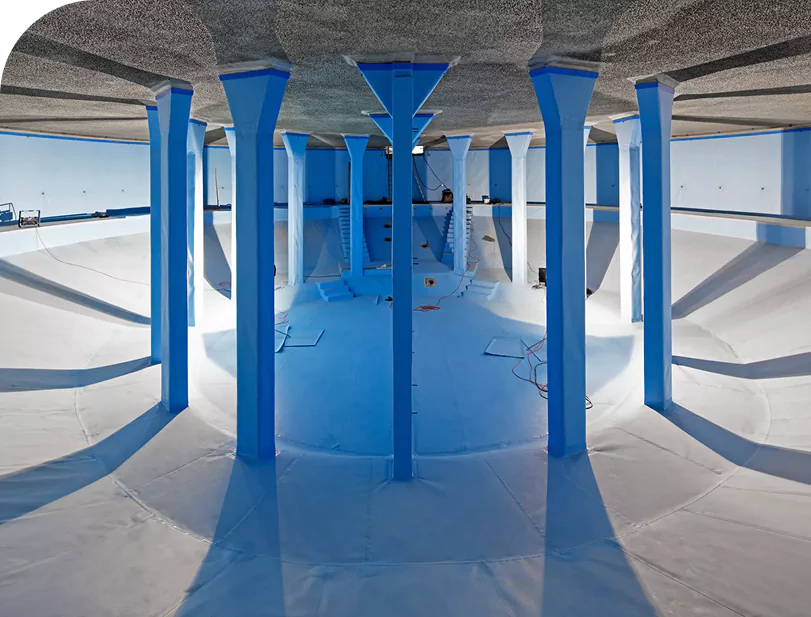
Concrete cisterns

Reline cracked, leaking or leaching concrete with a seamless membrane that flexes with the structure instead of cracking with it.

Typical problems

  • Shrinkage and settlement cracks
  • Leaking cold joints and pipe penetrations
  • Spalling, efflorescence and leaching

What the job looks like

  • Drain, clean and dry
  • Grind or blast to profile, repair cracks
  • Prime, spray to thickness, cure and refill
Read the guide

Potable water tanks

Drinking-water storage lined with systems certified to NSF/ANSI/CAN 61 for the tank size and use.

Typical problems

  • Coatings without drinking-water certification
  • Biofilm on rough or failing surfaces
  • Corrosion at the waterline on steel

What the job looks like

  • Confirm an NSF-61 certified system (ArmorThane offers AquaSafe)
  • Follow the listing’s thickness and cure schedule
  • Flush and test before returning to service
Read the guide

Rainwater catchment

Seal harvest tanks against leaks, root intrusion and UV-cracked liners.

Typical problems

  • UV-cracked or punctured sheet liners
  • Root and soil pressure on buried tanks
  • Leaks at fittings and overflows

What the job looks like

  • Remove failed liner and repair the shell
  • Detail fittings and transitions
  • Spray a continuous membrane
Read the guide

Fire & standby tanks

Stagnant water is brutal on steel and concrete. Line it before it fails an inspection.

Typical problems

  • Stagnant water corrosion and tuberculation
  • Failed inspections and leaking seams
  • Long outages that leave buildings unprotected

What the job looks like

  • Coordinate the outage with the fire marshal or owner
  • Blast, repair and line
  • Fast cure gets protection back sooner
Read the guide

Pipeline & culvert rehab

Spray-applied linings renew corroded culverts, large-diameter pipe and water mains, often with minimal digging.

Typical problems

  • Corroded culverts and invert loss
  • Infiltration at joints
  • Excavation costs that blow the budget

What the job looks like

  • Clean and prep the pipe interior
  • Spray or spin-apply a structural or protective lining
  • Reopen with minimal digging

Manholes & wet wells

Stop infiltration and gas-driven corrosion in lift stations, vaults and wastewater structures.

Typical problems

  • Hydrogen sulfide attack on concrete
  • Groundwater infiltration
  • Deteriorated benches and channels

What the job looks like

  • Bypass flow and pressure wash
  • Rebuild with repair mortar where needed
  • Line chimney to bench in one visit

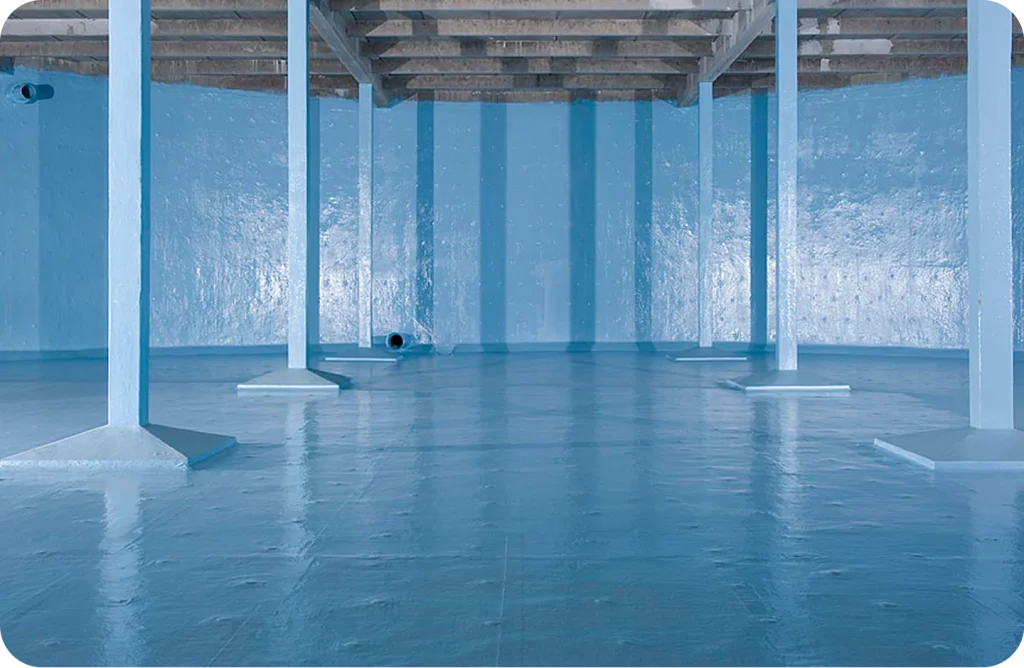
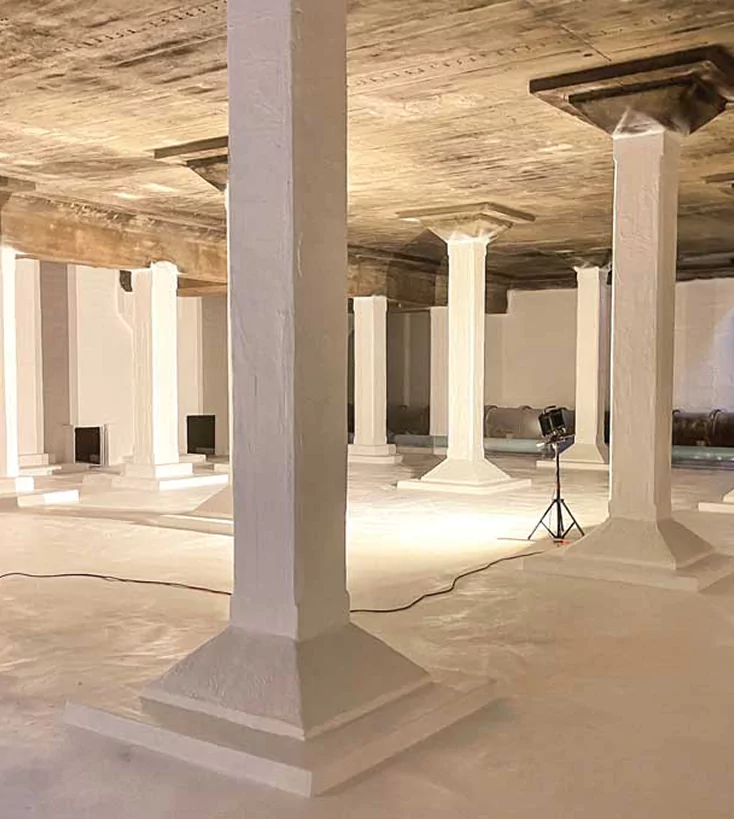
Underground vaults & reservoirs

Large buried storage repaired and lined from the inside, without excavating the structure.

Typical problems

  • Large surface areas of cracked concrete
  • Moisture coming through walls
  • Difficult access and ventilation

What the job looks like

  • Confined-space planning and ventilation
  • Repair, prime and line from the inside
  • No excavation of the structure
Read the guide

Steel & agricultural tanks

Livestock tanks, ag storage and bolted or welded steel tanks protected from rust, pinholes and seam leaks.

Typical problems

  • Rust-through and pinholes
  • Leaking bolted seams
  • Abrasion from livestock and sediment

What the job looks like

  • Blast to clean steel
  • Seal seams and bolts
  • Spray a tough, flexible lining
Read the guide

Why polyurea

Built for water. Fast enough for real schedules.

Polyurea is sprayed hot through plural-component equipment and cures into a tough, elastic membrane almost immediately. For water storage that changes the whole job.

Fast cure

Gels in seconds and builds thickness in multiple passes the same day, so tanks spend less time empty.

Seamless

A continuous, monolithic membrane over walls, floor, coves and penetrations. No seams to peel.

Flexible

High elongation lets the liner move with concrete and bridge hairline cracks instead of cracking with them.

Tough

Excellent abrasion and impact resistance for tanks that see sediment, cleaning and foot traffic.

Typical comparisonPolyureaEpoxyCementitiousSheet liner
Cure speed Gels in seconds Hours to days Days (moist cure) Install-dependent
Flexibility & crack bridging High Low Very low High
Seams None, monolithic None None Welded or taped seams
Abrasion & impact Excellent Good Fair Puncture risk
Build in one visit Thick, multi-pass Moderate Thick n/a

General comparison of lining methods. Actual performance depends on the specific product, surface preparation and application.

How a cistern gets lined

From inspection to return to service.

Six stages, done in order, every time. Tap through them. This is the work you are trained to do.

Stage 1 of 6

Inspect

Drain, clean and assess the structure: cracks, active leaks, spalling, moisture, old coatings and what the water will be used for.

Field note: Potable tanks need an NSF/ANSI/CAN 61-certified system. Confirm that before anything else gets ordered.

Get started

Have a tank that needs lining?

Tell us about the structure and where it is. We will connect you with a trained polyurea applicator or a coatings specialist who can help you spec the job.

  • Takes about two minutes
  • A real person follows up, not an autoresponder
  • Equipment, training, materials and financing in one conversation

Backed by ArmorThane. Polyurea and polyurethane coatings manufacturer since 1989, Springfield, Missouri.

Step 1 of 2

What brings you here?
Where should we send the details?
I’m interested in

A coatings specialist from ArmorThane will contact you. No spam, ever. See our privacy policy.