After a Cistern Overflow: Record the Event Before Changing the Lining Scope
After a cistern overflow, separate the operating cause, outlet and vent protection, and confirmed lining damage before agreeing the repair scope.
Read
Polyurea cistern & water tank rehab
Polyurea liners seal cracked, leaking concrete and steel water storage in a single visit. We help contractors get equipped, trained and spraying, and help owners find someone who already is.
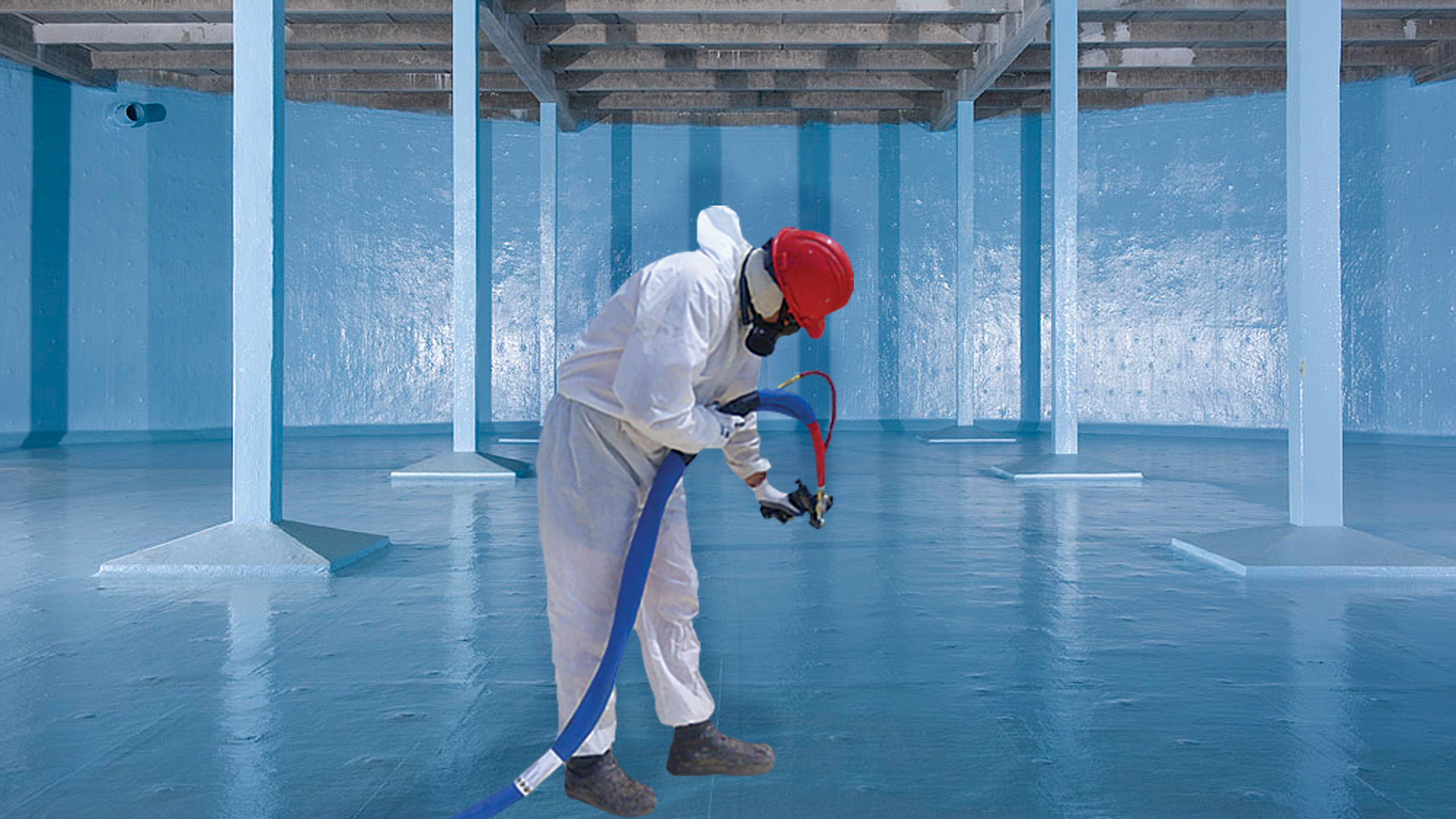
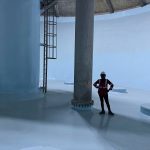 Flexes with concreteBridges hairline cracks
The problem beneath the surface
Concrete cracks as it settles and cycles. Old paint and sheet liners blister, split and peel. Steel rusts at the waterline. Every one of those failures ends the same way: leaks, contamination and a tank someone has to rehab.
C−
The grade U.S. drinking water infrastructure earned on ASCE’s 2025 Report Card for America’s Infrastructure.
Source: WaterWorld coverage of the ASCE reportShrinkage, settling and freeze-thaw open paths for water out and contaminants in.
Bare or failing surfaces leach, harbor biofilm and make water harder to keep clean.
Brittle coatings and seamed liners let go at the joints, usually where you can’t see it.
Applications
The same rig and the same skills line cisterns, tanks, pipe and wastewater structures, which is exactly why it makes such a good business.
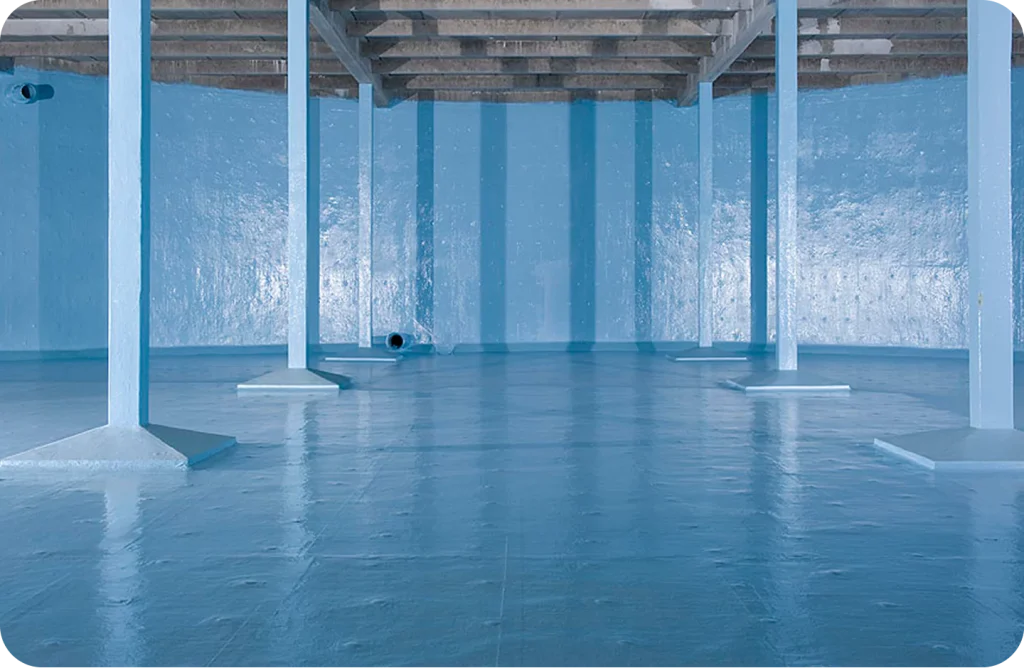 Concrete cisternsReline cracked, leaking or leaching concrete with a seamless membrane that flexes with the structure instead of cracking with it.
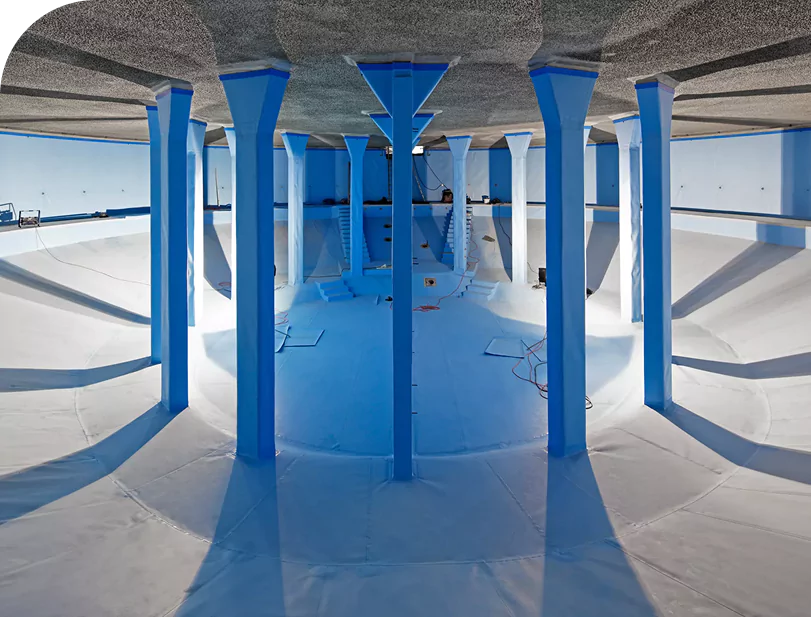 Potable water tanksDrinking-water storage lined with systems certified to NSF/ANSI/CAN 61 for the tank size and use.Rainwater catchmentSeal harvest tanks against leaks, root intrusion and UV-cracked liners.Fire & standby tanksStagnant water is brutal on steel and concrete. Line it before it fails an inspection.Pipeline & culvert rehabSpray-applied linings renew corroded culverts, large-diameter pipe and water mains, often with minimal digging.Manholes & wet wellsStop infiltration and gas-driven corrosion in lift stations, vaults and wastewater structures.
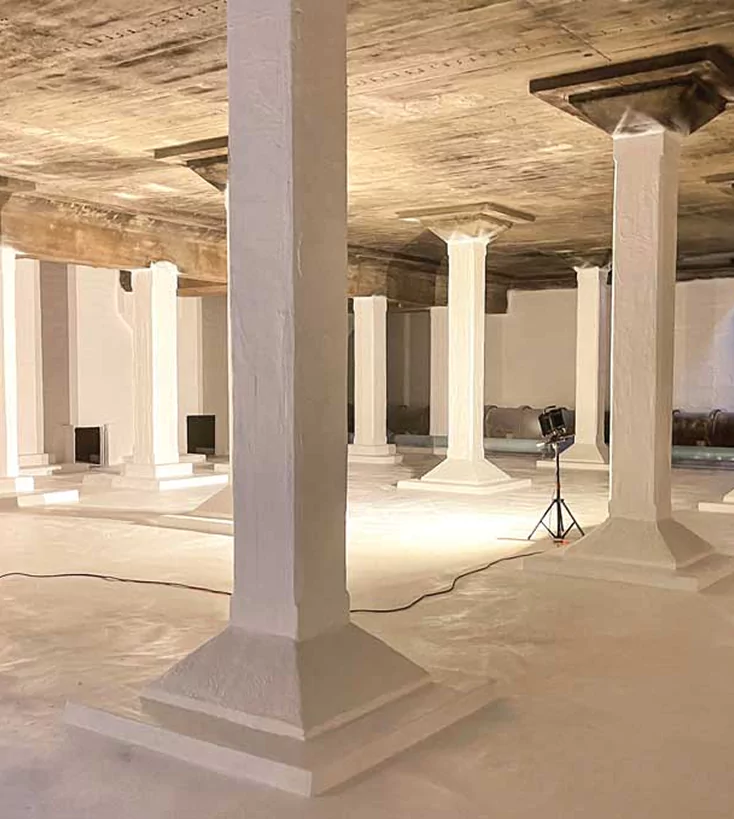 Underground vaults & reservoirsLarge buried storage repaired and lined from the inside, without excavating the structure.Steel & agricultural tanksLivestock tanks, ag storage and bolted or welded steel tanks protected from rust, pinholes and seam leaks.Don’t see your tank?Tell us what you’re working with. If it holds water, there’s a good chance it can be lined.
Why polyurea
Polyurea is sprayed hot through plural-component equipment and cures into a tough, elastic membrane almost immediately. For water storage that changes the whole job.
Gels in seconds and builds thickness in multiple passes the same day, so tanks spend less time empty.
A continuous, monolithic membrane over walls, floor, coves and penetrations. No seams to peel.
High elongation lets the liner move with concrete and bridge hairline cracks instead of cracking with them.
Excellent abrasion and impact resistance for tanks that see sediment, cleaning and foot traffic.
| Typical comparison | Polyurea | Epoxy | Cementitious | Sheet liner |
|---|---|---|---|---|
| Cure speed | Gels in seconds | Hours to days | Days (moist cure) | Install-dependent |
| Flexibility & crack bridging | High | Low | Very low | High |
| Seams | None, monolithic | None | None | Welded or taped seams |
| Abrasion & impact | Excellent | Good | Fair | Puncture risk |
| Build in one visit | Thick, multi-pass | Moderate | Thick | n/a |
General comparison of lining methods. Actual performance depends on the specific product, surface preparation and application.
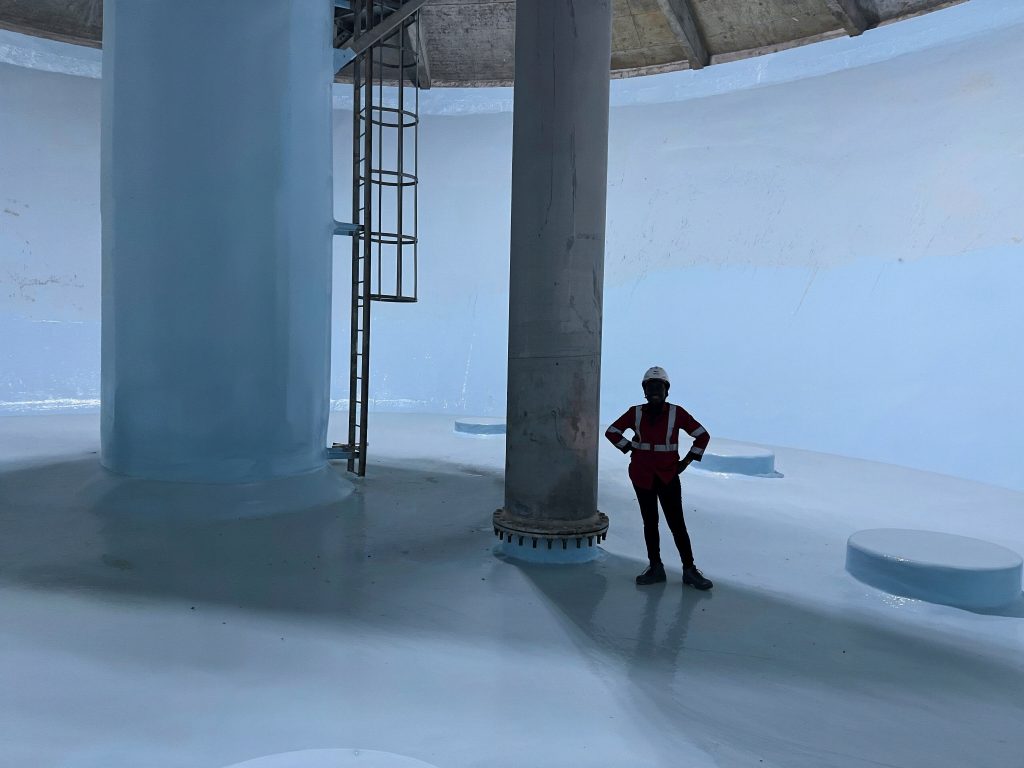
One rig, many markets
For contractors & entrepreneurs
Lining water storage is skilled, repeatable, high-value work, and most areas have very few people who do it well. ArmorThane gets you equipped, trained and supported so you can be the one they call.
Mobile trailer rigs or shop setups built around a heated plural-component proportioner.
Equipment operation, maintenance, surface prep, application and safety.
Polyurea and hybrid systems for immersion service, including potable-water options.
Real coatings people to call when a job throws you something new.
Applicator portal with marketing materials, tech tips and sales resources.
Equipment financing options so the rig can start paying for itself.
How a cistern gets lined
Six stages, done in order, every time. Tap through them. This is the work you are trained to do.
Stage 1 of 6
Drain, clean and assess the structure: cracks, active leaks, spalling, moisture, old coatings and what the water will be used for.
Field note: Potable tanks need an NSF/ANSI/CAN 61-certified system. Confirm that before anything else gets ordered.
Stage 2 of 6
Abrasive blast or grind to the profile the system calls for. Laitance, biofilm and failing paint all come off.
Field note: Most liner failures trace back to prep, not product. This is where good applicators earn their reputation.
Stage 3 of 6
Route and fill cracks, rebuild spalled concrete and detail joints, penetrations and pipe entries so the liner has a sound base.
Field note: Stop active leaks and hydrostatic seepage first. A liner is not a patch for running water.
Stage 4 of 6
A moisture-tolerant primer locks into the concrete, boosts adhesion and helps prevent outgassing pinholes.
Field note: Check dew point and substrate temperature. Primer windows are short and they matter.
Stage 5 of 6
Heated, plural-component polyurea goes on in multiple passes to the specified thickness and gels in seconds.
Field note: Detail corners, coves and penetrations first, then build the field to thickness in crossing passes.
Stage 6 of 6
Verify thickness, test for holidays where required, cure, flush and refill on the system’s schedule.
Field note: Potable systems have defined cure and flushing steps before refill. Follow the listing, not a guess.
The Journal
After a cistern overflow, separate the operating cause, outlet and vent protection, and confirmed lining damage before agreeing the repair scope.
Read
Plan cistern cleaning around the installed lining, confirmed chemical and equipment compatibility, safe access, disposal responsibilities and documented service release.
Read
Coordinate the laboratory, sampling scope, collection points, delivery window and results review before a cistern relining outage begins.
Read
FAQ
For most concrete cisterns, a spray-applied polyurea or polyurea hybrid membrane over properly prepared and repaired concrete gives the best mix of flexibility, crack bridging and fast return to service. If the water is for drinking, the system has to be certified to NSF/ANSI/CAN 61 for that use.
Some polyurea systems are certified to NSF/ANSI/CAN 61 for contact with drinking water and some are not. Certification is specific to the product and to conditions like tank size, cure time and temperature, so always check the actual listing for the system being sprayed in your tank.
Yes, but the leaks have to be dealt with first. Active water is stopped, cracks are routed and filled, and damaged concrete is rebuilt. Then the liner goes on over a sound, dry, prepared surface. A coating is not a substitute for repairing a structure that is moving water.
The tank has to be drained, cleaned, dried, prepped, repaired and lined, then cured and flushed before refill. Polyurea’s fast cure shortens the coating part of that window considerably compared with slower-curing systems. Your applicator can give you a schedule once they have inspected the tank.
Service life depends mostly on surface preparation, film thickness and water chemistry. A properly applied polyurea liner is built for long-term immersion service. Ask for the system’s data sheet and the applicator’s warranty in writing.
It helps but it is not required. ArmorThane trains new applicators on equipment operation, surface prep and application. Contractors who already work in concrete, waterproofing or tanks usually ramp up fastest.
A heated, high-pressure plural-component proportioner, heated hose and spray gun, transfer pumps, clean dry air, and power (a generator on mobile rigs). You also need surface prep equipment such as grinders or blasting gear, confined-space gear, and proper respiratory protection.
Plenty. The same equipment sprays truck bedliners, secondary containment, roof coatings, manholes and pipe, industrial floors and more. Many applicators start with one market and add others as the rig gets busy.
Yes. Equipment financing options are available, and your coatings specialist can walk you through them along with the startup packages.
A coatings specialist from ArmorThane, the polyurea manufacturer behind this site, based in Springfield, Missouri. You will hear from a person, not an autoresponder sequence.
Get started
Tell us a little about you. A coatings specialist will follow up with equipment options, training dates and pricing, or connect you with a trained applicator if you need a tank lined.
Backed by ArmorThane. Polyurea and polyurethane coatings manufacturer since 1989, Springfield, Missouri.